
Search
Research
Number of results: 449
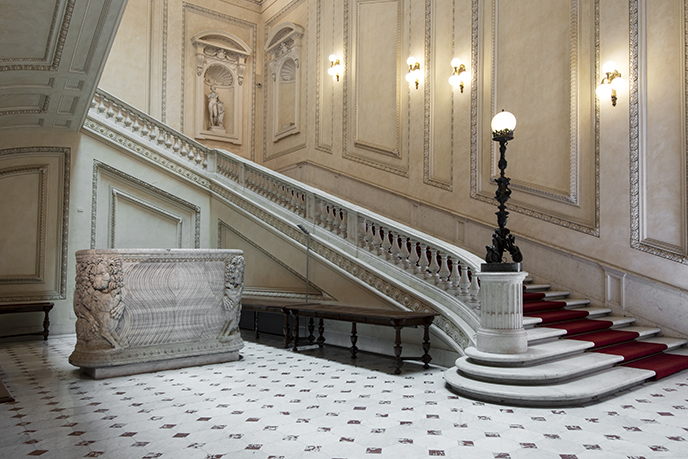

New Directions in the Second Half of the 20th Century
In the last part of the artistic period between the two wars there was increasing evidence of movements that not only reject the “autarkical” cultural lines of Novecentism but departs from them ever more radically. The scope of the cultural references stretches beyond the central line of modern French art and beyond the, albeit original, expressions rooted, as was the case for the Roman School, in local realities and moods.
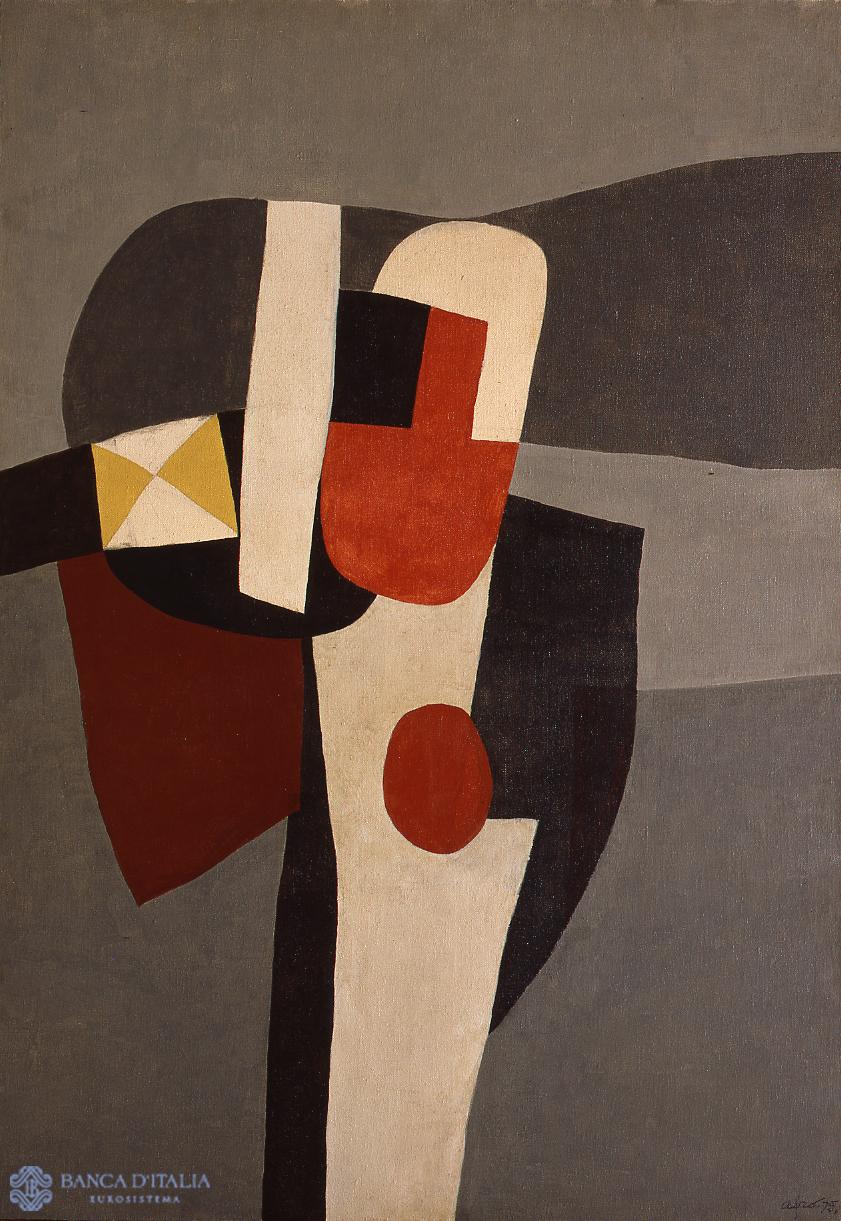
From 1970 Onwards: Other Forms of Abstract Art
During the 1970s, and especially towards the end of the decade, the highest and most innovative period of abstract painting can be said to have culminated throughout the world – at least as a unique or privileged domain for the most advanced artistic research.

1954-1970: Forms of the Abstract
The year 1954 and the months immediately before and after was a crucial time, a true watershed for twentieth-century Italian painting. This was when a numerous group of Italian artists made the leap to full artistic maturity.
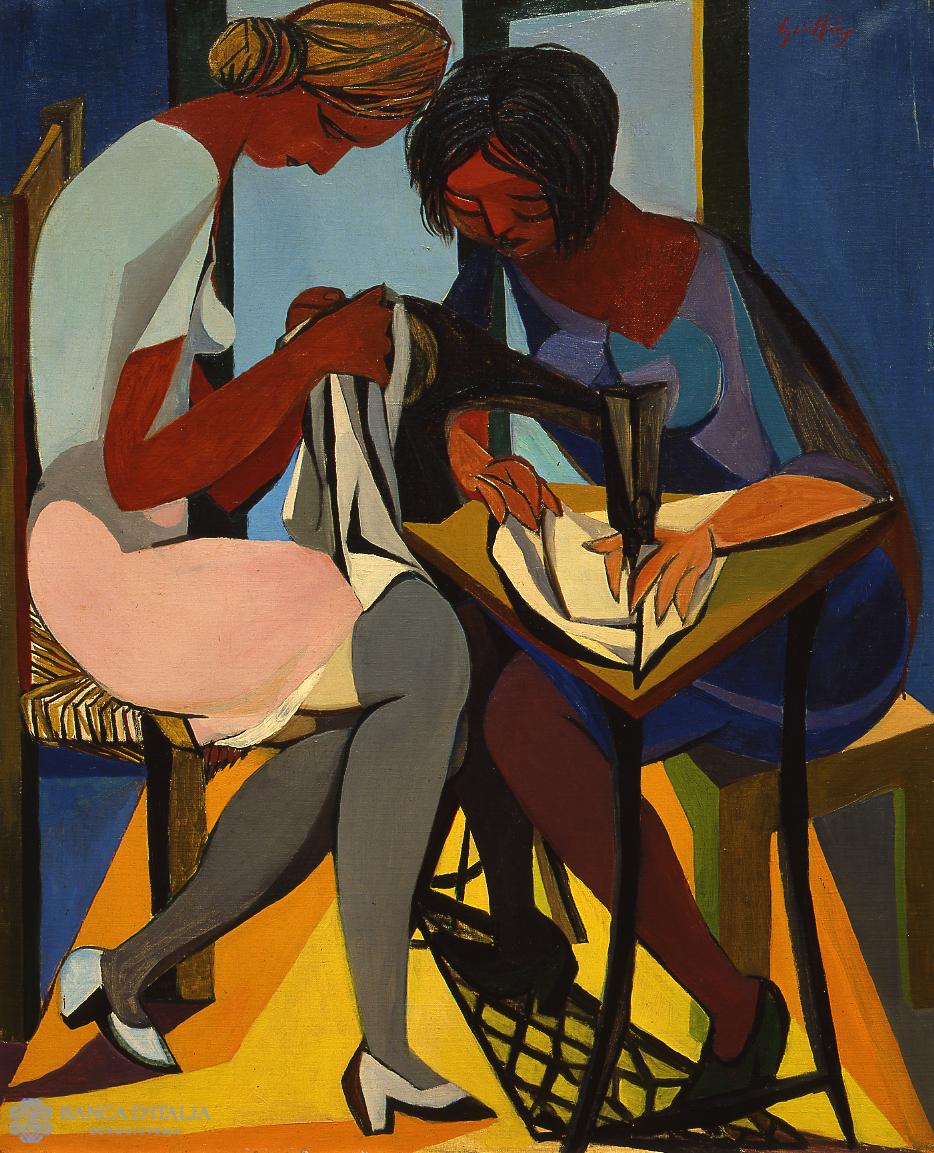
Italy 1946-1954: from Neo-Cubism to “Abstract-Concrete” Art
On 26 October 1946, Birolli, Guttuso and Morlotti signed a brief letter in Guttuso’s studio in Rome addressed to “our dear former Secessionists” (including Pizzinato, Santomaso and Vedova). In it they announce their decision to change the previously suggested name of Nuova Secessione Artistica Italiana into the more combative Fronte Nuovo.
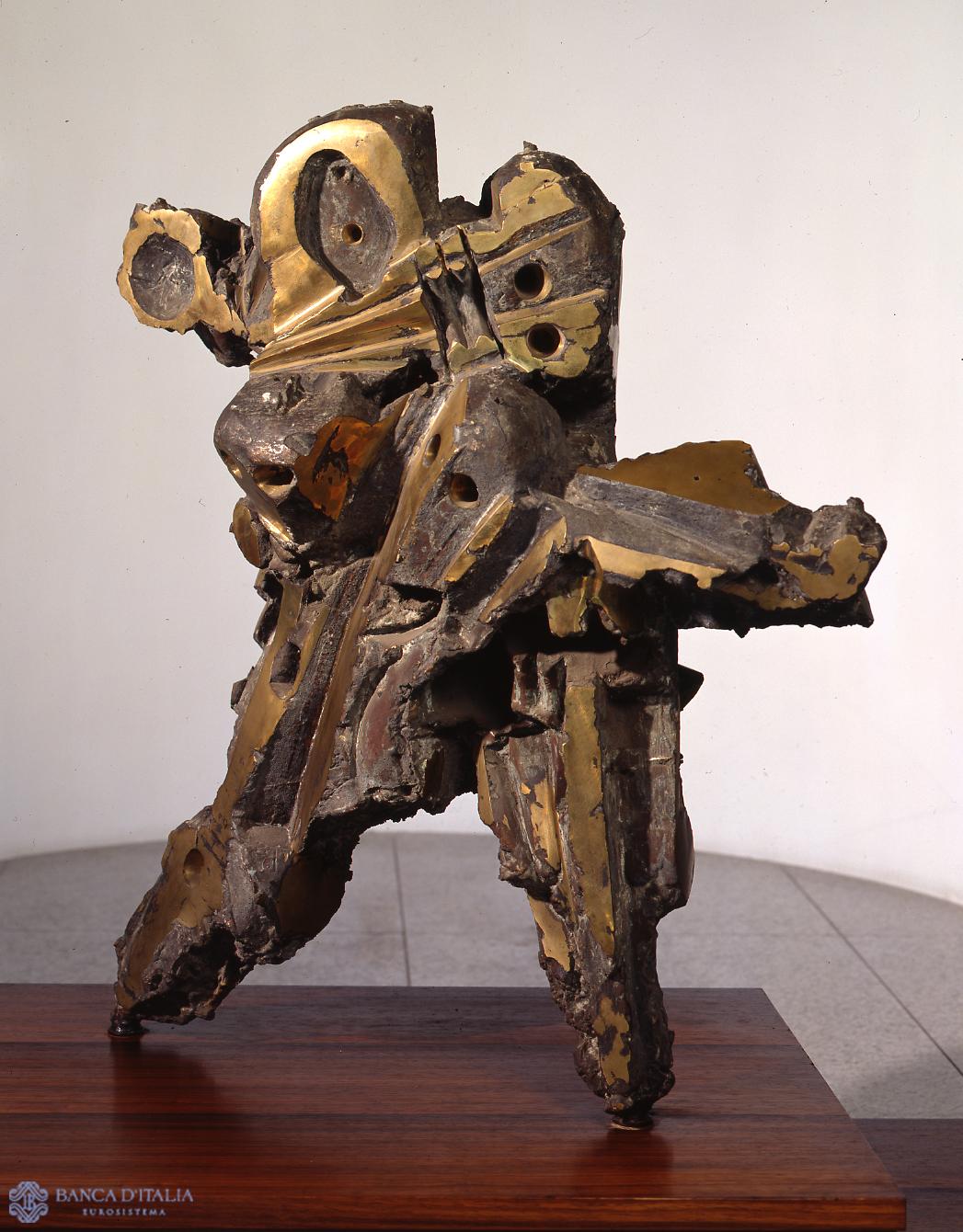
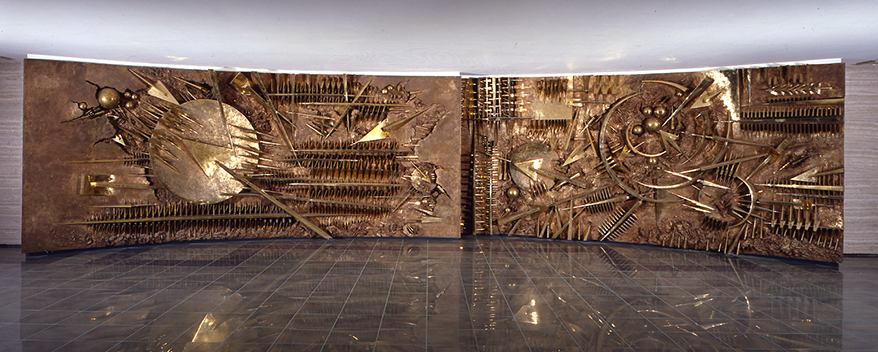
Italian Sculptors since the Second World War
Postwar Italian sculpture vaunts a host of prestigious artists who have maintained Italy’s age-old primacy in the plastic arts, from ancient Rome through the medieval works of Arnolfo and the Pisanos into the modern era with artists of the caliber of Donatello, Jacopo della Quercia, Michelangelo, Bernini and Canova.